
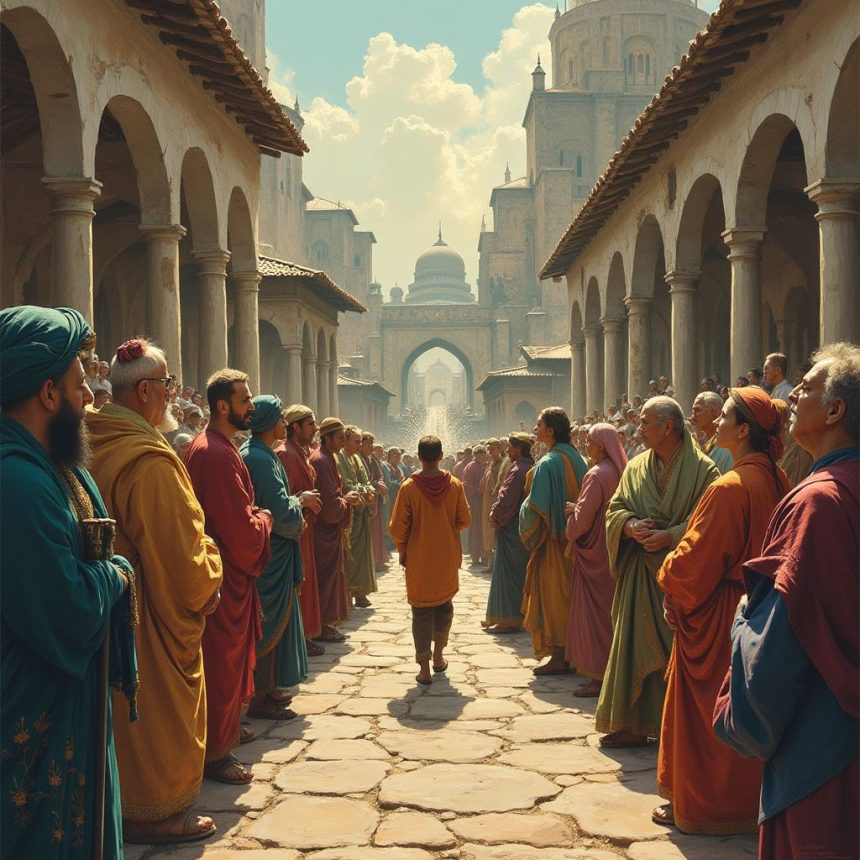
The influence of religious traditions on our personal boundaries
Religious traditions are part of our cultural heritage and significantly influence our boundaries and taboo perceptions. Each religion has a unique tradition that defines its deep values, morals, and beliefs, and each one influences individuals in different ways.
Religious traditions may also influence our personal boundaries, and set lines for them. For example, there are religions that require self-discipline and control of emotions, while others emphasize high sensitivity to emotions and personal feelings.
Religious traditions also impose limits on our perception of taboo. According to religious tradition, there may be topics or actions considered taboo or forbidden, and therefore an individual may insist on these perceptions even when they do not suit them personally.

In conclusion, it is important to understand the influence of religious traditions on our personal boundaries and perceptions, and to address them clearly and consciously. Identifying and understanding their influence can help us develop a more self-aware perception and release us from boundaries that prevent us from growing and developing as individuals.
Read More

The influence of religious traditions on our taboo perceptions
Religious traditions are part of our cultural heritage and significantly influence boundaries and taboo perceptions in our daily lives. These traditions contain values, laws, and guidelines that limit our behavior and hinder our ability to experience new experiences and develop a broader perception of the world around us.
Personal boundaries influence our taboo perceptions
Miriam Cohen – Psychologist
Religious traditions can judge physical and spiritual boundaries, such as dress codes, modesty, prayer times, and eating habits. They may limit the actions we take and create a sense of discomfort in a wide range of areas in our lives.
Growing up under the influence of religious traditions, we may develop a limited perception of the surrounding world. The result is a lack of sensitivity to new experiences, difficulties in coping with changes, and challenges in succeeding in creativity and innovation.

To overcome the limited influence of religious traditions and develop a broader and more diverse perception of the world, it is important to start asking questions and exploring the beliefs and realities that have been ingrained in us. By recognizing our personal boundaries and their development, we can begin to develop a new and expanded perception of the world around us.
A religious tradition can become taboo in many cases
Abraham Cohen – Religious researcher
In summary, religious traditions influence our taboo perceptions by creating boundaries and limitations that affect our behavior and our perception of the world. We must be open to inquiry and change in order to develop and grow as independent and self-aware individuals.
The differences between different religious traditions on taboo and personal boundaries
Different religious traditions significantly influence perceptions of taboo and personal boundaries. Each religion comes with unique traditions and principles that define which behaviors are acceptable and which are forbidden according to the religion.
For example, in Judaism, there are strict rules regarding taboo and personal boundaries. The Jewish Halakhic laws limit an individual’s daily behavior and specify which actions are allowed and which are prohibited. For example, a Jewish woman is required to refrain from seeking desire and sexual activities outside of marriage.
Other religious traditions, such as Islam, require believers to adhere to modesty and avoid acts of desire and passion. In Islam, there are strict laws regarding body movements and sexual behavior, and polygamy is allowed.
Even in Christianity, there are important rules regarding taboo and personal boundaries. Christianity teaches about self-discovery, and emphasizes the importance of modesty and respect for marriage.
In conclusion, religious traditions deeply and significantly influence boundaries and taboo perceptions. Each religion brings with it unique values and morals that dictate how individuals should act and behave within society and the family.
Religious legislation contributes to adherence to healthy boundaries
Rachel Levi – Physician
How can religious traditions change our perception of taboo and personal boundaries?
Religious traditions deeply influence our perceptions of boundaries and taboos. The dissemination of religious tradition, the use of religious ceremonies, and the religious worldview can change the way we see our boundaries and societal norms of taboo.
One of the main ways to change our perception of taboo and personal boundaries through religious traditions is through practice and reflection on religious doctrine. Religious doctrine offers an ideological framework in which we can understand the deeper meanings of personal boundaries and taboos. Through religious practice, learning, and practicing religious commandments and customs, we can deepen our understanding of the subject and change our perception of our personal boundaries.
Another way to change our perception of taboo and personal boundaries through religious traditions is through contemplation and adopting the religious worldview. This form of contemplation allows us to see the world in a different light, following the religious tradition we adhere to. This allows us to understand how boundaries and taboos are constructed and maintained in the religious world, and to change our perception of them.
In conclusion, religious traditions offer new and deeper ways to change our perception of personal boundaries and taboos. Through practicing religious doctrine and contemplating the religious worldview, we can gain a deeper and more profound understanding of the subject and change our personal perception of it. This process can lead to significant changes in our approach to boundaries and taboos, making us wiser and more reflective individuals.
The challenges and advantages of integrating religious traditions in the struggle against boundaries and taboo perceptions
When we encounter boundaries and taboo perceptions in our lives, we must treat them as phenomena that require special processing and development. Religious traditions can serve as an important tool in this struggle. The combination of religious tradition and the struggle against boundaries and taboo perceptions may bring significant challenges and advantages.
One of the main challenges in integrating religious traditions in such a struggle is dealing with issues of religion and morality. Can religious values contribute to effective coping with boundaries and taboo, or are they part of the problem itself? It may be up to the individual struggling with boundaries and taboo to find the right balance between religious stability and personal development and interest.

On the other hand, there are significant advantages to such integration that are no less important. Religious traditions provide a spiritual and moral framework that may be helpful in the struggle against boundaries and taboo perceptions. A deep spiritual connection and a significant tradition may bring a sense of stability and meaning in life, which may be key components in shaping our identity and perception of the world.
In conclusion, it is important to remember that implementing the integration of religious traditions with the struggle against boundaries and taboo perceptions is a fascinating and complex challenge. We must find the right balance between moral feelings and personal passion and between personal development and growth. With these tools, we can progress in our personal journey and develop in order to reach new levels of understanding and spiritual depth.