
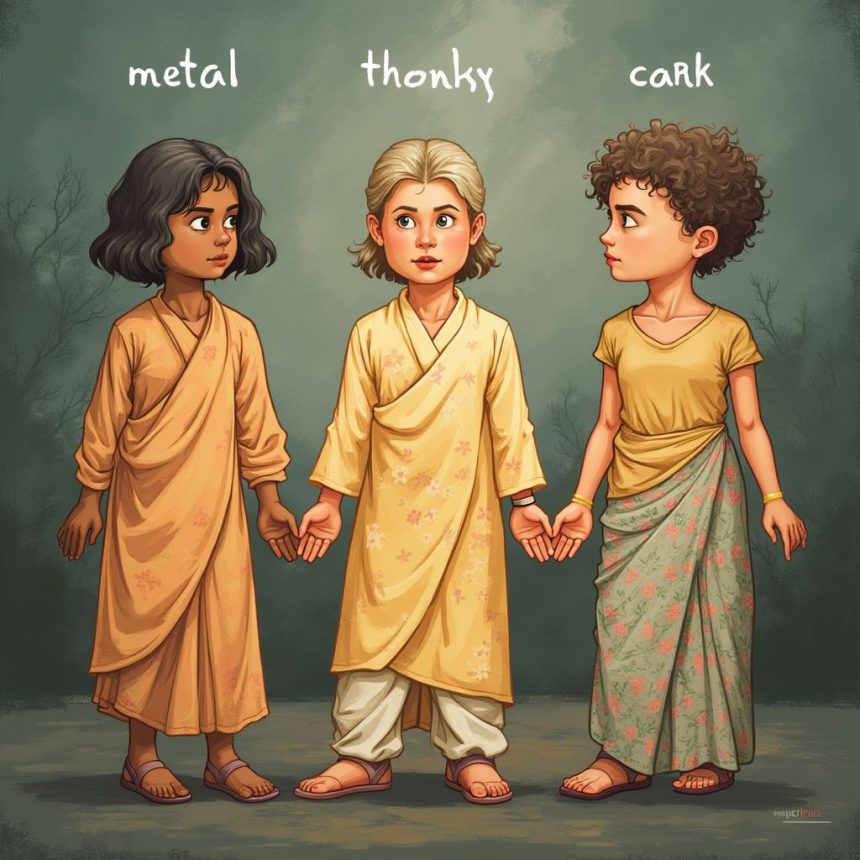
The Influence of Religion on Behavioral Norms and Taboos
Religion is part of the cultural identity of every individual, and it also influences the behavioral norms and taboos in society. In the modern world, many people refrain from actions in order to avoid violating human rights and personal freedoms. However, most societies still adhere to religious and traditional values that influence their behavior and existing taboos.

In certain cultures, there are behavioral norms considered taboo due to religious influence. For example, in societies where modesty and humility are valued, actions deemed immoral or even harmful to the sanctity of life may not be accepted. In contrast, in other societies, there may be norms that are not considered taboo and are even accepted as part of daily life.
The influence of religion on behavioral norms and taboos can also extend to the realm of sexuality. Many societies can define what is considered lawful and permissible in sexual matters, and thus can impose taboos on actions that they deem inappropriate. Furthermore, religion can also influence perceptions of gender roles and create realities where there are differences and fixed roles for each gender.
Exploring oneself is discovering new realms of perception
Carl Jung – Psychoanalyst
Ultimately, it is important to understand that the influence of religion on behavioral norms and taboos is an inseparable part of every society’s culture. In the modern world, it is important to focus on practical considerations and universal values that will help create an egalitarian and prosperous society for all its inhabitants.
The Influence of Gender and Culture on Social Norms
Gender and culture are two central values that influence our social norms. In different cultures, there may be different taboos defined by society and its culture. When we compare between different cultures, we see how the values and social morality of each culture can judge and influence the need to cultivate certain taboos.
For example, in different cultures, there may be different expectations for behavior with an emphasis on gender. In many cases, women and men may be considered equal, but sometimes the distinction between genders may be normal and common in a specific culture. This can create taboos around areas such as sexuality, education, and work.
In addition, gender and culture can influence social norms regarding communication and relationships between people. Each culture may contain different communication methods and different expectations for human relationships. This can create taboos around social behaviors and reliance on others.
Personal boundaries are buttons that can only be opened through deep and courageous inquiry
Mary Carey – Spiritual Guide

In conclusion, gender and culture influence our social norms and the taboos defined by our society and culture. Understanding how gender and culture influence our taboos can help us understand resilience and ways to deal with these taboos in our culture.
The Culture of Nudity and Shame in Different Peoples
In different cultures around the world, there are different taboos considered part of nudity and shame. For example, in Japanese culture, most people are accustomed to public nudity, while in Israeli culture, swimming in the sea and practicing naked body are considered taboo.
In Arab culture, as well as in other cultures in the Middle East, nudity in women with clothes that do not cover most of the body is considered a major taboo. This contrasts with European culture, where swimming and nudity in the exposed body are seen as natural and acceptable.
When examining different cultures and comparing between them, it is important to understand that different taboos are based on different values and ethics, and that each culture may contain several factors that lead to their establishment.

In the end, understanding taboos in different cultures can help us understand and respect our personal boundaries, and progress in self-examination and self-awareness.
Differences in Social Norms between Western and Eastern Cultures
The differences in social norms between Western and Eastern cultures are complex and interesting. Different cultures assign different importance to social norms, so it is important to understand the differences between cultures in order to understand and respect the diversity between them.
In Western cultures, individual uniqueness is considered important and highly valued. Personal identity and independence receive great emphasis, and the balance between personal needs and communal needs is done in a balanced way. In addition, time management and communication are done directly and openly.
In Eastern cultures, there is a strong emphasis on community and family as they influence the individual’s personality. Eastern society tends to be more close-knit and family-oriented, and interpersonal relationships are directly and clearly established among people. Time management and communication are done indirectly and subtly.
Understanding and respecting the diversity between different cultures is important to prevent discrimination and to create good relationships with people from other cultures. Whether you come from Western or Eastern culture, it is important to understand and respect cultural differences in order to live in peace and a good quality of life.
The Influence of Period and History on Taboos and Norms in Modern Culture
The influence of period and history on taboos and norms in modern culture is deep and intriguing. Different cultures deal with different taboos, and their comparison may reveal interesting and fascinating differences.
In Japanese culture, for example, it is taboo to talk about money in public, and the boundaries between masculinity and femininity are defined very differently from Western culture. While in Western culture, there may be deeper taboos on Sabbath observance or pig consumption.
Read More

History also influences taboos and norms in culture. For example, during the Victorian era in Europe, it was a norm for a family to maintain their appearance and behave beautifully and elegantly in public. This was a major taboo and a shielded act.
Comparing between cultures allows us to appreciate and understand the diversity in the world
Nelson Mandela – Scientist and Philosopher
In modernity, dramatic changes in taboos and norms take place. Cultures are evolving and changing, and their influence shapes and affects their taboos. Comparing between different cultures is fascinating and allows us to understand how history and culture influence our personal boundaries.