
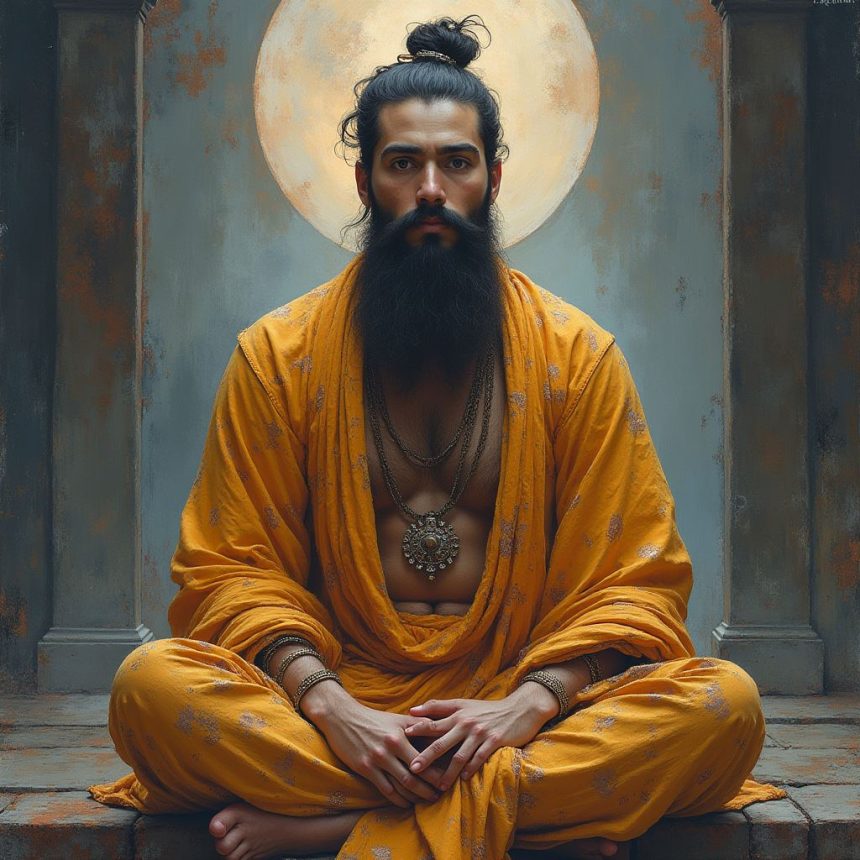
The Influence of Traditions and Religious Tradition on Self-Inquiry
Traditions and religious traditions are an important part of human life and his process of self-inquiry. They influence the ways of thinking and behavior of the individual and his perception of the world around him.
In today’s world, traditions and religious tradition may be a significant factor in a person’s self-inquiry. They offer frameworks and instructions on behavior and belief that may influence a person’s way of exploring himself and the reality around him.
On the other hand, traditions and religious traditions may also limit a person’s self-inquiry. They may create rigid frameworks and constraints that prevent a person from developing a new and unbiased perception of his self.
Therefore, it is important to understand their influence on self-inquiry and find the appropriate balance between them. Only then can we develop a true and courageous process of self-inquiry that will allow us to understand ourselves in an absolute and unbiased way.
Personal Identity Development Following the Preservation of Family Traditions
Family traditions are an important part of our lives and our growth process. They pass on information, values, and experiences from generation to generation, from parent to child. They allow us to know our origins and understand our place in the world.
Preserving family traditions influences the development of our personal identity. It provides us with a connection to our roots, our sources, and who we were. It gives us a sense of stability, security, and a deep connection with our family.
During self-inquiry and understanding personal boundaries, it is important to preserve our family traditions. They allow us to understand who we are, what values are important to us, and how they influence our lives.
When we seek to understand ourselves and discover our personal identity, it is important to preserve our family traditions and pass them on to future generations. This way, we will continue to evolve, grow, and develop through the preservation and transmission of our traditions.
In self-inquiry, we can discover the deepest and truest truth about ourselves.
Natan Cohen – Spiritual Guide

The Connection Between Ancestral Culture and Self-Reflection
Ancestral traditions are an inseparable part of our personal identity. They influence values, perceptions, and personal consciousness. In the process of self-inquiry, we reflect on where we come from in terms of ancestral culture and how it has contributed to our imagination and self-recognition.

In self-inquiry, we try to understand the cultural heritage passed down from generation to generation. Does it influence how we see ourselves and the world around us? Does it limit us or free us to be who we truly are?
Traditions allow us to delve into self-inquiry and discover the connection between our past, present, and future.
Rebecca Goldberg – Mindfulness Guide
Identifying our ancestral culture and traditions may help us understand the considerations and values that guide our behavior and thought structure. With this identification, we can begin to unravel the layers embedded within us and reveal the invisible beliefs that influence our thinking patterns.
Read More

Awareness of ancestral tradition may lead to a profound change in the process of self-reflection. The ability to distinguish between what is outside of us and what is within us may be a key to unlocking new potential and improving personal capabilities.
Therefore, it is important to understand the connection between ancestral culture and the process of self-reflection and to use this tradition as a tool to search for personal truth and develop our approach to the world.
The Influence of Personal Taboo on Inquiry and Self-Discovery
Personal taboos are a strong limitation that may affect our self-inquiry process. When we deal with sensitive topics or past experiences, the taboo may prevent us from exploring deeply and discovering ourselves in a true and authentic way.
Personal taboo can lead to fears and fears of disclosure and exposure of parts of ourselves that we prefer to hide. This may prevent us from initiating new processes of self-understanding and personal growth.
To deal with personal taboos and allow ourselves to explore and discover, it is important to be aware of our emotions and face them openly and humbly. We must get used to listening to our needs and emotions and not suppress them to protect our personal identity.
Through a deep understanding of ourselves and internal exposure processes, we can release ourselves from personal taboos and allow ourselves to grow and develop personally and spiritually.
The Place of Unconventional Traditions in Self-Inquiry
In the process of self-inquiry, it is appropriate to change our thoughts and perceptions and gain new insights. But what about unconventional traditions passed down from generation to generation? Should we ignore them or use them in self-inquiry?
Unconventional traditions can be part of our identity and contribute to our self-understanding. Even if we decide not to view them as absolute truths, there is still much to learn from them. When we understand their origins and the reasons behind them, we can learn more about ourselves and the world around us.
Not every tradition is suitable for everyone, so it is important to be open to questions and inquiry. During self-inquiry, we can examine the traditions passed down to us and decide what suits us and what does not. This is an important process that can help us bridge the gaps between conventional and unconventional traditions and create a more balanced inner world.
In self-inquiry, we can find the deepest puzzle of our soul and discover the true meaning of our existence.
Itay Cohen – Spiritual Guide
In conclusion, unconventional traditions can serve as a source of deeper self-understanding and our inner world. We must be open to inquiry and understand which traditions serve us and which we need to set aside to continue our process of growth and development.
The Cultural and Religious Background as a Factor in Personal Self-Understanding
Cultural and religious traditions are an inseparable part of our personal identity. They compel us to understand who we are, where we come from, and where we are going. They influence our ability to explore and understand ourselves, helping us determine our place in the world.
In self-inquiry, our cultural and religious background is a central factor. They can become obstacles or tools for personal self-understanding. In a modern world where there is an attempt to deconstruct the mask of culture and religion, it is important to understand their influence on our lives and our process of self-inquiry.
Cultural and religious traditions may limit us and weigh in on the way to self-inquiry. In a world where culture and religion define what is necessary and what is not, it is important to understand how we can break these boundaries and explore ourselves more deeply.
However, cultural and religious traditions can also serve as useful tools for self-inquiry. They can help us understand our place in the world, deepen our knowledge and understanding of ourselves, and help us discover new values and meanings in our lives.

In conclusion, the cultural and religious background plays a significant role in the process of self-inquiry. We must understand and appreciate their influence on our lives and find a way to integrate them into our personal path of discovery and self-understanding.